
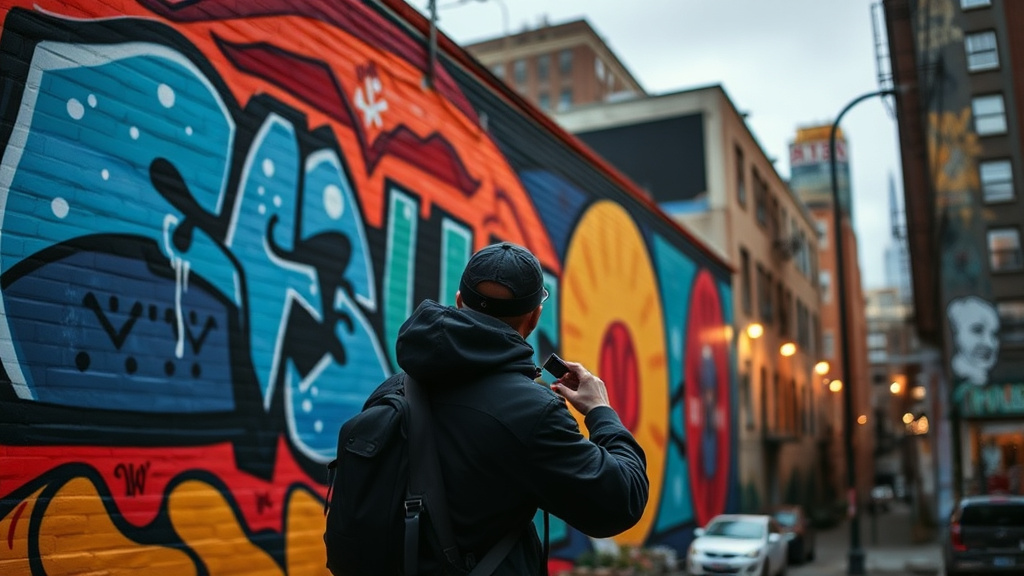
Once criticized as vandalism, street art has transformed into a powerful instrument of urban renewal. Cities worldwide are now working alongside talented mural painters to inject vitality into forgotten neighborhoods, turning crumbling walls into dynamic artworks that generate community pride and economic growth. These vibrant joint efforts do more than enhance urban landscapes—they foster social cohesion, attract tourism, and amplify local cultures. Learn how street artists and urban administrators are reshaping the narrative of neglected urban spaces, one masterpiece at a time.
The Influence of Public Art in Urban Change
Street art has evolved from being viewed as mere vandalism to becoming a established force for significant community change. Creative professionals and urban administrators now collaborate strategically to revitalize struggling neighborhoods into lively artistic hubs. This partnership approach leverages the creative talents of artists while fulfilling community needs of community revitalization. The result is genuine street art that resonates with residents and visitors alike, building environments that honor community heritage and foster genuine neighborhood pride.
Public murals function as effective instruments for financial expansion and increased property values in neglected areas. When neighborhoods display bold artistic installations, they draw new businesses, restaurants, and retail establishments seeking dynamic areas. Tourism rises markedly as visitors seek out neighborhoods known for outstanding street art. Property owners note rising real estate values as communities evolve into more desirable places to reside and work. This economic boost generates work opportunities and yields tax income that benefits the entire community landscape.
Beyond financial advantages, public art strengthens social bonds and amplifies marginalized voices within communities. Collaborative mural projects bring diverse residents together, encouraging conversation and shared comprehension across different cultural and economic backgrounds. Street art offers spaces for creators from underrepresented groups to share their perspectives and stories on high-visibility public spaces. This equitable method to neighborhood improvement ensures that area development represents true community aspirations and aspirations.
Effective Collaborations Between Artists and Local Government Bodies
Municipal governments progressively recognize street art’s transformative impact, creating structured partnerships with muralists to breathe new life into cities. These collaborations involve city-funded initiatives that provide artists with legitimate platforms, equitable pay, and creative control. By working together, municipalities and artists create sustainable projects that meet local demands while producing remarkable aesthetic changes. Cities like Denver, Miami, and Philadelphia have developed schemes that dedicate funding specifically for mural projects, demonstrating how planned joint efforts generate measurable economic and social benefits. This cooperative approach transforms street art from illicit activity into respected public investment.
Profiles of Successful Mural Programs
Denver’s “Crush Walls” festival exemplifies successful artist-government collaboration, drawing muralists from around the world each year to revitalize local areas. The city offers funding, licensing, and marketing assistance while artists contribute their expertise and vision. This collaboration has reinvigorated the River North Art District, boosting real estate prices and visitor numbers substantially. The program illustrates how structured collaboration produces mutually beneficial results, positioning Denver as a leading street art hub while enhancing neighborhood appearance and financial growth. Local residents report enhanced neighborhood pride and safety improvements following mural installations.
Miami’s Wynwood Walls project represents another innovative partnership between municipal leaders and the artistic community. Formerly an industrial zone, Wynwood transformed into a dynamic arts destination through coordinated mural initiatives. The city facilitated real estate arrangements, offered physical improvements, and marketed the district internationally. Artists gained remarkable exposure and career prospects while supporting community revitalization. Today, Wynwood attracts millions in yearly visitor spending and functions as a template for equivalent projects globally. This success illustrates how true cooperation between local governments and the arts sector builds vibrant, financially viable arts-focused neighborhoods.
- Community engagement through community art events and creative discussions reinforces neighborhood bonds.
- Economic expansion stems from increased tourism, property values, and local business development.
- Youth employment opportunities develop through hands-on training and skill-building initiatives with professional muralists.
- Cultural preservation happens when paintings highlight neighborhood heritage, cultural traditions, and local stories.
- Public safety improvements result from neighborhood investment and decreased graffiti in renewed neighborhoods.
Community Impact and Financial Advantages
Street art murals generate substantial beneficial changes in underserved neighborhoods by cultivating neighborhood pride and social unity. When residents observe their streets reimagined as outdoor exhibition spaces, they establish stronger connections to their community and each other. These colorful murals act as gathering points for neighbors, generating conversations and community events. The creative renewal builds confidence and demonstrates municipal investment in long-neglected areas, inspiring residents to show increased ownership in their neighborhoods and engage in further renewal initiatives.
The financial advantages of street art partnerships surpass aesthetic improvements. Renewed communities generate higher foot traffic, supporting local merchants and dining establishments. Tourism grows as visitors discover Instagram-worthy murals and historically meaningful artworks, generating revenue for nearby areas. Property values typically climb in areas with recognized artistic neighborhoods, opening doors for local creators and builders. Additionally, these programs generate jobs for artists, construction workers, and tour guides, while lowering government costs on graffiti removal and upkeep of aging structures.
