
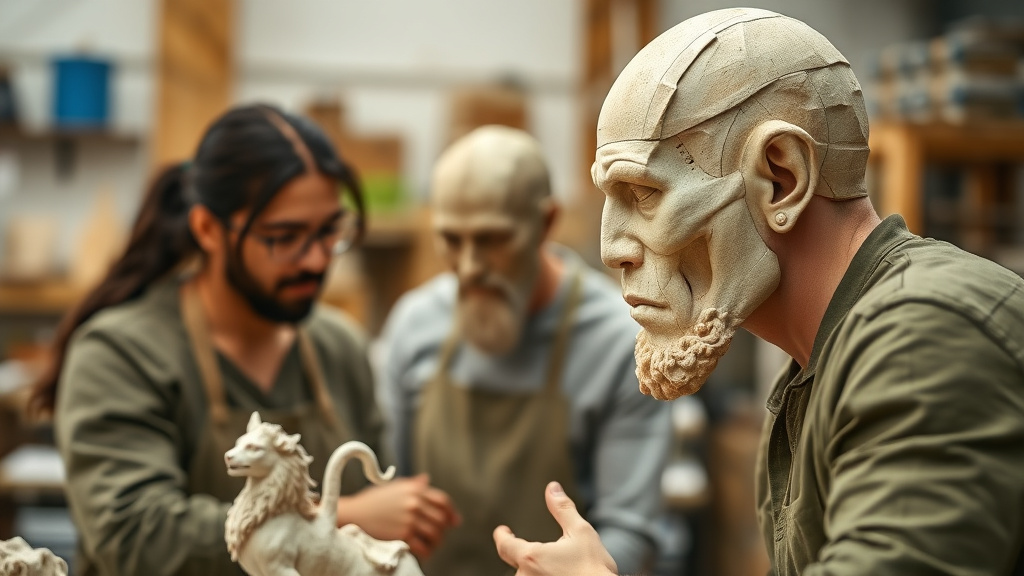
As ecological consciousness transforms the art world, professional sculptors are pioneering cutting-edge methods with eco-friendly materials. From reclaimed wood and repurposed metal to organic-based compounds and natural stone, these artists are proving that eco-friendly doesn’t mean sacrificing creativity or quality. In this article, prominent artists share their sophisticated techniques for sourcing preparing, and transforming eco-friendly materials into stunning works of art. Discover how these skilled practitioners balance creative expression with environmental responsibility.
Learning About Eco-Friendly Materials for Sculpting
Sustainable sculpting materials represent a significant shift in how contemporary artists engage with their practice. These materials include a wide range of choices, from salvaged timber and recycled metals to fast-growing renewable resources like cork and bamboo. Professional sculptors increasingly recognize that sustainable materials offer distinctive visual properties while minimizing environmental impact. By understanding the properties, sourcing methods, and production methods of these materials, artists can make informed decisions that match both their creative vision and environmental principles. The shift to eco-conscious methods has created fresh opportunities for innovation, pushing sculptors to experiment and create techniques tailored for these alternative materials.
The procurement of environmentally responsible materials demands thoughtful evaluation and research. Professional sculptors develop partnerships with suppliers who implement ethical sourcing and recycling, guaranteeing material authenticity and quality. Many artists now perform environmental assessments to track their ecological impact throughout the creative process. Understanding the material lifecycle—from extraction through disposal—enables sculptors to make choices that genuinely reduce waste and pollution. This knowledge enables creators to communicate their sustainable practices to audiences, fostering understanding for both the finished artwork and the conscious methodology behind its creation. Such openness strengthens the connection between environmental stewardship and artistic excellence.
Innovative Techniques for Eco-Friendly Stone Work
Contemporary stone artists are transforming stone sculpture through sustainable quarrying practices and advanced finishing techniques. By collaborating with responsible vendors and using locally-quarried materials, artists reduce shipping carbon footprints while promoting accountable mining standards. Modern approaches like water-jet cutting and precision chiseling substantially minimize waste generation, allowing sculptors to improve material utilization. These methods protect the material’s original qualities while creating intricate details that showcase both technical mastery and environmental stewardship. Professionals emphasize that eco-conscious stone sculpture requires patience, planning, and deep knowledge of material properties.
Digital technology serves as an essential component in environmentally sustainable stone sculpture. Three-dimensional scanning and computer modeling allow sculptors to plan designs with accuracy, avoiding costly missteps and excessive material waste. Sculptors utilize thermal instruments and hand techniques that limit particulate emissions and ecological effects during carving. Many current creators combine traditional craftsmanship with current environmental strategies, producing pieces that respect both artistic tradition and environmental stewardship. This harmonious strategy demonstrates that environmental consciousness and sculptural excellence are not mutually exclusive goals but mutually reinforcing objectives.
Using Recycled and Reclaimed Materials
Salvaged and repurposed materials provide artists significant potential to produce purposeful artwork while minimizing ecological footprint. These materials embody unique charm, history, and distinctive characteristics that new materials cannot replicate. Professional sculptors increasingly embrace this approach, transforming discarded elements into striking artistic declarations. The challenge centers on understanding each material’s physical durability and artistic merit. By perfecting methods designed for recycled materials, artists discover new opportunities while contributing to a circular economy in the art world.
Obtaining Quality Salvaged Materials
Finding superior repurposed materials requires building robust networks within recycling facilities, demolition firms, and industrial suppliers. Skilled artists develop partnerships with these sources to obtain advance access to premium materials before they enter the open market. Thorough examination of structural integrity, physical durability, and aesthetic value becomes critical. Many veteran craftspeople maintain detailed inventories of their sourced materials, sorting them by type, size, and characteristics. This systematic method enables streamlined project management and ensures materials are properly stored to protect against decay or contamination.
Analyzing reclaimed materials necessitates both technical knowledge and creative vision. Sculptors must examine wood for decay, metal for rust severity, and stone for structural cracks or damage. Knowing previous material uses offers understanding of potential contaminants or applied substances. Cataloging sourcing history provides historical context to completed works. Establishing connections with material suppliers enables access for customized sourcing and access to specialized pieces. Many working artists document and organize materials upon receipt, building image libraries for future projects.
- Examine materials comprehensively for structural soundness and concealed defects
- Document source of materials and past applications for artistic context
- Establish connections with reclamation facilities and construction demolition firms
- Establish organized inventory systems for streamlined material handling
- Verify material compatibility before mixing various salvaged materials
Advanced Surface Treatment for Environmentally Conscious Sculptures
Professional sculptors utilize sophisticated finishing techniques that elevate environmentally responsible materials while minimizing environmental impact. Organic oils, botanical sealers, and water-soluble finishes seal recycled wood and reclaimed surfaces without harmful chemicals. Advanced polishing methods using diamond compounds and sustainable abrasives expose the natural beauty of materials like reclaimed stone and upcycled metals. These finishing methods preserve the material’s integrity while producing museum-quality finishes that highlight rather than mask the sculpture’s sustainable origins.
Contemporary sculptors increasingly leverage digital surface mapping and environmentally responsible patination processes to produce striking visual effects on sustainable sculptures. Heat processing, meticulous manual finishing with eco-friendly implements, and innovative coating systems derived from natural sources provide endless aesthetic possibilities. These sophisticated techniques enable sculptors to reach high-quality results that compete with traditional techniques while upholding their commitment to ecological stewardship. The result is a fresh wave of sculptures that showcase both artistic excellence and environmental awareness.
