
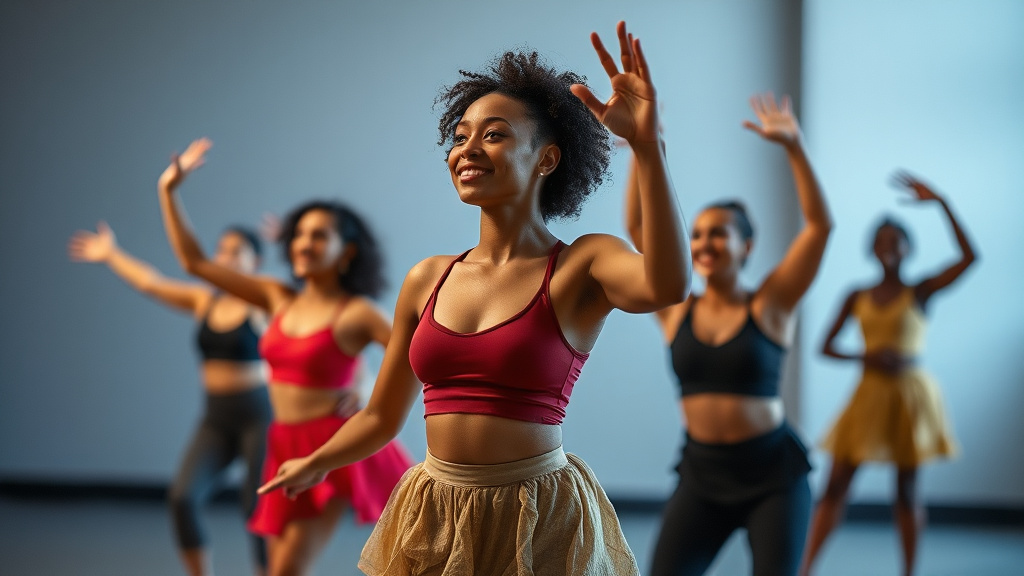
Contemporary dance has historically been dismissed as elite or inaccessible, yet today’s innovative companies are shattering these misconceptions through bold storytelling and unexpected partnerships. By working alongside musicians, visual artists, and communities across varied cultures, these choreographers are creating powerful narratives that challenge traditional expectations and broaden dance’s cultural relevance. This article examines how major modern dance organizations are revolutionizing the art form, breaking down barriers, and proving that dance speaks a common tongue capable of addressing pressing social issues and inspiring meaningful change.
Pushing Past Traditional Boundaries in Movement Arts
Contemporary dance companies are fundamentally transforming the landscape of artistic performance by resisting established boundaries and exploring avant-garde practices. These organizations challenge the notion that dance must follow prescribed stylistic requirements or established heritage. Instead, they establish environments where movement becomes a medium of authentic self-expression and social commentary. By interrogating traditional standards, these companies invite audiences to reconsider their preconceived notions about what dance can be and accomplish.
The movement toward innovative choreography reflects a broader cultural push for inclusivity and representation. Modern dance organizations actively seek to challenge established hierarchies within the dance world, making certain that voices from marginalized communities gain visibility and acknowledgment. This broadening of dance access generates possibilities for artists from different backgrounds to offer their individual insights and backgrounds. As a result, contemporary dance has evolved into a dynamic platform for creative storytelling that speaks to cultural, socioeconomic, and generational divides.
Reimagining Creative Expression
Artistic expression in contemporary dance has moved well past traditional movement vocabulary and artistic frameworks. Choreographers now draw from hip-hop, martial arts, everyday movement, and other alternative influences to produce fusion forms. This fusion approach enables dancers to authentically express their cultural identities while simultaneously challenging audience expectations. By endorsing varied movement styles, contemporary companies affirm the artistic value of historically marginalized dance forms and develop more inclusive performance environments.
The reconceptualization of creative output extends to how stories are told on stage. Rather than relying solely on narrative linearity, contemporary companies explore fragmented structures, multi-media elements, and unconventional stage setups. These innovative approaches invite audiences to engage in creating significance rather than merely accepting scripted stories. This change empowers viewers to bring their own understandings and individual backgrounds to theatrical experiences, establishing intimate relationships with the work.
Celebrating Varied Movement Languages
Contemporary dance organizations honor the richness of worldwide dance practices by weaving together diverse physical vocabularies into their compositional work. Rather than viewing different dance forms as separate or hierarchical, these companies blend techniques from various cultures and disciplines. This inclusive approach acknowledges the origins of different dance traditions while developing innovative fusions that seem authentic and contemporary. The result is choreography that represents the multicultural reality of modern society and ensures representation for dancers from all backgrounds.
The adoption of diverse movement vocabularies also democratizes who can pursue a career as a professional dancer. By recognizing multiple physical languages rather than emphasizing classical ballet technique, contemporary companies create opportunities for artists whose bodies and backgrounds differ from traditional dance world standards. This shift draws in talented performers who might otherwise feel excluded from professional dance careers. Consequently, contemporary companies develop deeper artistic communities and produce more creative work that truly represents the world’s varied cultural traditions and creative possibilities.
Cooperative Approaches Transforming the Market
Contemporary dance companies are revolutionizing their organizational models by implementing partnership approaches that transcend traditional hierarchies. These forward-thinking alliances bring together choreographers, dancers, designers, and technologists in creative processes where all perspectives carry equal value. By breaking down traditional authority structures, companies create environments where experimentation thrives and diverse perspectives shape artistic outcomes. This distribution of creative control has proven essential in challenging stereotypes, as collaborative teams naturally incorporate diverse cultural perspectives and personal backgrounds into their work, resulting in more authentic and resonant storytelling.
Interdisciplinary collaborations have become the hallmark of progressive contemporary dance companies aiming to expand their artistic vocabulary and audience engagement. Partnerships with musicians, visual artists, filmmakers, and digital innovators create multisensory experiences that transcend traditional dance boundaries. These collaborative ensembles bring new viewpoints to movement language and storytelling approach, enabling companies to address complex social themes with increased depth and resonance. The final works challenge audience expectations while demonstrating that contemporary dance thrives when integrated with other art forms, creating immersive experiences that connect across diverse demographic and cultural lines.
Community-driven collaborative models have emerged as catalysts for change within the modern dance field, emphasizing accessibility and cultural exchange. Companies now actively collaborate with grassroots organizations, schools, and local artists to jointly develop works that capture community narratives and values. These collaborations ensure that dance stays closely tied to the communities it serves, dismantling obstacles between artists and spectators. By engaging local participants in artistic development, modern dance organizations validate varied narratives and viewpoints, simultaneously questioning established conventions while building sustainable relationships that support long-term cultural engagement and community benefit.
Implications and Path Forward
Contemporary dance companies are actively redefining artistic dialogue by questioning established stereotypes through original approaches to storytelling and genuine cooperative efforts. Their work transcends entertainment, creating platforms for marginalized voices and building welcoming communities. As these companies continue to evolve, they demonstrate that dance exhibits tremendous power to drive cultural shifts, bridge cultural divides, and create fresh expectations for artistic excellence. The cascading influence of their groundbreaking initiatives are resonating across the international cultural sector, influencing how institutions develop their seasons and audience engagement.
Moving forward, modern dance stands at a pivotal moment where artistic vision intersects with community accountability. Companies are increasingly putting resources into sustained grassroots collaborations, learning programs, and mentorship programs that nurture emerging artists from underrepresented backgrounds. This commitment to accessibility and equity positions contemporary dance as a crucial cultural influence able to addressing current challenges while honoring cultural diversity. The future promises even more creative advancement as choreographers keep expanding artistic boundaries and reimagining what dance can do.
Viewer Participation and Cultural Significance
Contemporary dance companies are strategically growing their audiences by creating accessible entry points and building authentic community ties. Through engaging live shows, online channels, and community-centered programming, they’re connecting with audiences historically underrepresented in dance venues. These deliberate outreach initiatives have proven remarkably effective, transforming perceptions and cultivating dedicated followers invested in the art form’s development. By emphasizing cultural significance and genuine inclusivity, companies ensure their work resonates deeply with diverse populations and captures modern society’s multifaceted nature.
The cultural impact of these efforts extends far beyond ticket sales and attendance metrics. Contemporary dance companies are emerging as essential cultural institutions that tackle pressing social narratives, showcase diverse identities, and foster meaningful dialogue within communities. Their focus on remaining current ensures dance stays a vital, living art form capable of speaking to contemporary audiences. As companies continue refining their community engagement approaches and deepening community relationships, they solidify dance’s position as an indispensable medium for artistic expression and social commentary.
New Possibilities and Challenges
Contemporary dance organizations face remarkable possibilities as digital innovation, rising cultural demand, and organizational backing converge. Digital platforms provide international exposure, while expanding awareness of the arts’ societal impact attracts charitable funding and governmental support. However, these opportunities coincide with major hurdles, including financial stability, artist compensation equity, and the need to maintain artistic integrity while achieving financial sustainability. Companies must address these issues strategically, balancing innovation with financial responsibility.
The way ahead requires contemporary dance companies to maintain adaptability while maintaining their creative visions. Emerging challenges include creating diverse teams, supporting mental wellbeing within dance communities, and ensuring equitable representation across all levels of the organization. Success depends on ongoing partnership, transparent dialogue with stakeholders, and consistent commitment to accessibility. By confronting these challenges proactively, contemporary dance companies can create lasting frameworks that honor artistic excellence while advancing social progress and cultural transformation.
