
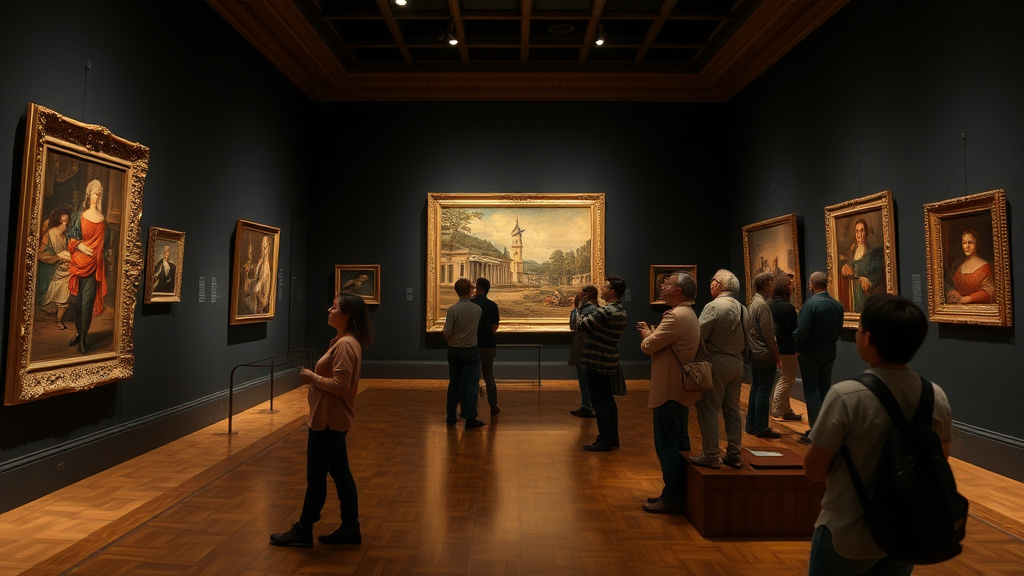
For generations, classical art has remained confined behind museum walls, mainly available to affluent collectors and art enthusiasts. Now, a nationwide movement is changing that narrative. Major museums across the country are introducing innovative community programs designed to democratize access to masterpieces, delivering classical art directly to underserved neighborhoods, schools, and rural areas. Through online exhibitions, traveling collections, and complimentary educational programs, these institutions are breaking down barriers and proving that exceptional art belongs to everyone, regardless of zip code or financial status.
Removing Barriers Facing Classical Art
Museums throughout the nation are understanding that classical art should not be a privilege reserved for the wealthy or those with geographic advantages. By introducing strategic community programs, these institutions are systematically breaking down historical obstacles that have long prevented diverse populations from encountering masterpieces. From complimentary entry events to traveling exhibits, museums are actively engaging audiences who face economic, logistical, or cultural obstacles to conventional museum experiences.
This transformation demonstrates a core transformation in how cultural institutions understand their purpose and responsibility. Rather than expecting audiences to come to them, museums are now engaging with their communities. By working alongside educational institutions, libraries, and civic spaces, these programs make certain that fine art is woven into daily experience, cultivating appreciation and understanding among populations that formerly had minimal access to these irreplaceable cultural treasures.
Digital Initiatives Revolutionize Access to Museums
Technology has become a powerful equalizer in the art world, allowing museums to transcend physical limitations and reach vast audiences simultaneously. Online exhibitions, high-resolution image collections, and interactive online platforms now allow individuals from distant locations to discover classical masterpieces from their homes. These online programs have made art accessible to all, eliminating location barriers and making world-class collections accessible to anyone with internet connectivity, transforming how people engage with cultural heritage.
Museums are utilizing cutting-edge digital tools to develop engaging encounters that rival in-person visits. 3D digital tours, AR applications, and web-based learning courses deliver thorough interaction with traditional artwork. These platforms often include background details, artist biographies, and historical context, enriching the audience’s comprehension and appreciation. By integrating digital solutions, museums are extending their accessibility exponentially while preserving the depth and quality of their learning programs.
- Digital museum exhibitions provide round-the-clock availability to art collections globally
- Advanced imaging systems reveals intricate artwork details from a distance
- Interactive online platforms captivate younger visitors through game-based features
- Online educational broadcasts link experts directly with worldwide viewers
- Mobile apps enable customized art exploration and educational experiences
Collaborative Partnerships Expand Reach
Museums are forging strategic partnerships with local organizations, schools, and community centers to expand their presence far beyond traditional gallery walls. These partnerships enable institutions to share resources, expertise, and collections with populations that have traditionally encountered barriers to engaging with fine art. By working together, museums and community partners develop sustainable programs that connect with diverse audiences and encourage meaningful engagement with classical masterpieces.
These collaborations also enhance the cultural fabric of communities by presenting art as a collective asset rather than an restricted asset. Museums offer curatorial expertise and original works, while grassroots organizations bring deep knowledge of their local needs and interests. This mutual partnership confirms that programs continue to be pertinent, culturally sensitive, and truly advantageous to the areas they work in, creating enduring influence beyond short-term shows.
Learning Initiatives for Educational Institutions and Youth
Schools and youth organizations are becoming primary partners in museums’ outreach programs, acknowledging that early exposure to classical art shapes lasting enjoyment and cultural understanding. Museums create customized educational programs that incorporate significant artworks into existing educational frameworks, making art history interesting and applicable to students. These programs address educational inequities by guaranteeing that students from diverse economic circumstances encounter world-class art and professional guidance.
Youth-focused programs go further than classroom visits, offering internships, mentorship opportunities, and hands-on workshops that develop critical thinking and creative skills. Museums hire staff who speak students’ languages and understand their cultural contexts, creating welcoming environments where young people feel empowered to engage with and analyze classical art. These commitments to student learning nurture the next generation of informed citizens and cultural advocates.
- Free museum passes provided to all public education students annually
- Professional development workshops training teachers in art history instruction
- Student-facilitated gallery tours promoting peer learning and interpretation
- Summer internship programs providing compensated roles for underrepresented youth
- Virtual classroom sessions linking students with museum curators
No-Cost and Reduced-Price Admission Strategies
Museums are overhauling their fee structures to attract more diverse audiences into their galleries. By launching complimentary admission days, sliding scale fees based on household income, and voluntary contribution hours, institutions are removing financial obstacles that historically prevented families with limited means from enjoying classical art. These initiatives recognize that financial accessibility directly influences cultural participation and makes access more equitable across varying income levels.
Strategic alliances with local community groups and government bodies further enhance these efforts. Museums are securing grants and corporate sponsorships intentionally allocated for free programming, allowing them to maintain financial sustainability while waiving admission charges for vulnerable populations. This collaborative approach ensures that financial limitations never control who engages with premier art collections.
Financing Approaches Enabling Inclusive Design
Diverse funding mechanisms enable museums to sustain comprehensive accessibility programs without undermining operational excellence. Endowments, government arts funding, and philanthropic grants provide consistent financial support for no-cost offerings. Museums strategically allocate resources toward community involvement, ensuring that accessibility investments remain permanent rather than temporary promotional campaigns that disappear when funding ends.
Creative revenue strategies complement traditional funding sources effectively. Museums create tiered membership programs where members with higher contributions support free admission for others, establishing self-supporting funding mechanisms. Additionally, broader merchandise offerings, temporary displays, and venue leasing produce additional revenue that offset no-charge programming expenditures while maintaining the museum’s fundamental goal of broad public cultural engagement.
- Financial grants from national and state arts bodies
- Business sponsorships dedicated to public access initiatives
- Tiered membership structures that enable pay-what-you-can pricing
- Endowment funds designated for free hours
- Revenue from premium experiences funding general admission
Future Outlook for Accessible Artistic Engagements
Museums imagine a future where traditional artwork surpasses physical boundaries and economic barriers. Advanced technology integration, encompassing virtual reality and augmented reality platforms, will enable immersive experiences accessible from homes worldwide. These advancements augment on-site experiences, developing hybrid models that reach diverse audiences. Museums are establishing dedicated cultural spaces in regions with limited access, opening branch facilities that deliver selected works nearer to populations historically excluded from cultural institutions.
Collaborations between museums, educational institutions, and community organizations will strengthen, creating lasting frameworks for engagement. Future programs will emphasize co-creation, inviting community members to participate in display curation and interpretation. Museums recognize that accessible artistic programming strengthen social cohesion and foster cultural appreciation across generations. By prioritizing accessibility as a core mission rather than an afterthought, institutions are redefining their identities as inclusive venues serving entire communities.
Assessing Performance and Effects
Museums are establishing detailed measurement systems to measure community program effectiveness beyond participation figures. Success measures include attendee feedback, instructional achievements, and shifts in behavior regarding artistic involvement. Institutions document ongoing ties with community members, assessing repeat visits and sustained interest. Surveys and focus groups offer descriptive information about how programs shape perceptions of fine art and museum accessibility, ensuring accountability and ongoing enhancement.
Information gathering extends to population studies, revealing which communities benefit most from specific initiatives. Museums assess economic impact through community spending and job creation generated through initiatives. Long-term research monitor audience engagement with culture over time, showing lasting effects on cultural understanding and civic engagement. These detailed assessment systems help museums improve approaches, secure funding, and demonstrate their essential contribution in promoting learning access and cultural democracy nationwide.
- Record attendance numbers across all community program locations nationwide
- Assess participant satisfaction through surveys and feedback mechanisms
- Track educational outcomes and knowledge gains within participants
- Evaluate demographic reach and representation in attendance records
- Examine sustained behavioral shifts in creative participation patterns
