
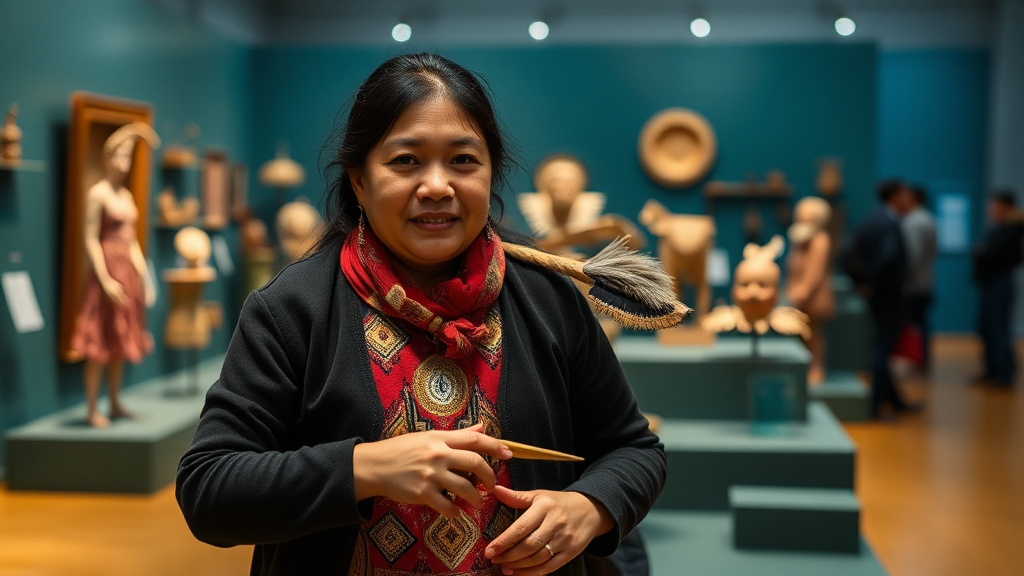
After generations of pushing for cultural equity, Native American communities are at last retrieving their ceremonial objects from museum storage nationwide. Leading museums are undoing centuries of colonial practices by returning treasured objects—from ceremonial masks to ancestral remains—to their rightful owners. This historic transformation marks a turning point in curatorial responsibility, driven by persistent indigenous advocacy and new legal standards. Learn how these delayed repatriations are transforming cultural memory, respecting indigenous sovereignty, and transforming what it means to preserve history ethically.
Historical Context of Museum Exhibits
The accumulation of Native American artifacts in Western museums began during the colonial era, expanding through the nineteenth and twentieth centuries. Explorers, anthropologists, and collectors methodically obtained sacred objects, ceremonial items, and ancestral remains, often through coercive means or straightforward plunder. These institutions established themselves as guardians of cultural traditions, justifying their possession through claims of preservation and scientific study. However, this narrative ignored the profound spiritual and cultural significance these objects held for indigenous communities, treating sacred items as simple artifacts for academic research and public display.
By the mid-twentieth century, major museums worldwide held large holdings of Native American cultural property, often obtained without permission or payment. These collections embodied generations of cultural loss, reflecting the unequal power dynamics fundamental to colonial systems. Indigenous communities were deliberately kept out from choices about their own cultural property, while museums retained possession of irreplaceable artifacts. This documented history established the foundation for years of indigenous organizing and activism, as Native Americans persistently called for recognition of their claims to cultural property and the repatriation of ceremonial items housed in institutional collections.
The Movement for Repatriation Builds Traction
The repatriation movement has experienced unprecedented acceleration over the past decade, propelled by increased collaboration between museums and Native American communities. Legislative achievements, including the Native American Graves Protection and Repatriation Act (NAGPRA) amendments, have reinforced tribal protections and created enforceable pathways for artifact return. Cultural institutions globally now recognize their ethical obligations to engage in meaningful dialogue with indigenous leaders, progressing past performative actions toward genuine collaborations that center tribal expertise and cultural protocols in decision-making processes.
Leading organizations have started establishing structured return programs, accepting the profound impact of colonial acquisition methods on Native communities. Museums are investing resources to establish provenance records, create repatriation bodies, and enable the return of ceremonial items and human remains. This institutional shift indicates wider public acknowledgment that cultural property remains with the peoples who created and valued it, significantly reshaping how museums view their function in the broader community and their obligations to Native communities.
International momentum continues building as museums in Europe, Australia, and North America join this transformative movement. Prominent repatriations of important cultural objects have raised public consciousness and motivated additional communities to launch repatriation processes. This expanding agreement demonstrates that repatriation embodies not merely a legal requirement but a moral responsibility reshaping cultural institutions globally.
Effects on Native Communities and Cultural Continuity
The restoration of artifacts constitutes a pivotal shift for Native communities, restoring not merely objects but sense of cultural belonging and spiritual connection. These repatriated objects—sacred ceremonial objects, ancestral bones, and historical records—allow tribes to restore ties to their heritage and share authentic cultural knowledge to younger generations. Communities can now perform traditional rituals, uphold cultural customs, and reclaim narratives that museums had managed for many years. This recovery of cultural authority solidifies tribal unity and establishes native authority over their own historical accounts and spiritual practices.
Beyond emotional and spiritual significance, repatriation drives broader cultural preservation initiatives within Native communities. Tribes establish their own museums, archives, and educational programs to preserve artifacts according to traditional practices and principles. These institutions prioritize community access and cultural transmission over academic research or public exhibition. The process provides employment, strengthens indigenous scholarship, and creates spaces where cultural knowledge holders shape interpretation. Repatriation thus becomes a catalyst for broad-based cultural renewal, enabling communities to define preservation on their own terms and ensure future generations inherit their complete cultural legacy.
The Future of Museum-Community Relationships
The repatriation effort has significantly reshaped how museums manage their duties to tribal nations. Going forward, institutions are implementing partnership models that emphasize tribal input in planning activities. These relationships stretch beyond returning cultural items to feature collaborative displays, shared stewardship models, and two-way cultural exchanges. Museums now recognize that true heritage protection necessitates real cooperation rather than unilateral authority, creating a basis for mutually respectful relationships built on transparency and accountability.
As this transformation continues, museums navigate both challenges and opportunities in reconsidering their position within society. Leading organizations are investing in professional development, diversifying leadership, and forming advisory bodies with community representation. This transformation promises a future where museums act as connections linking communities to heritage, rather than sole authorities over cultural materials. The effectiveness of these programs requires continuous commitment to decolonial practices, sufficient resources, and genuine willingness to share authority over heritage narratives and artifacts with the communities they represent.
