
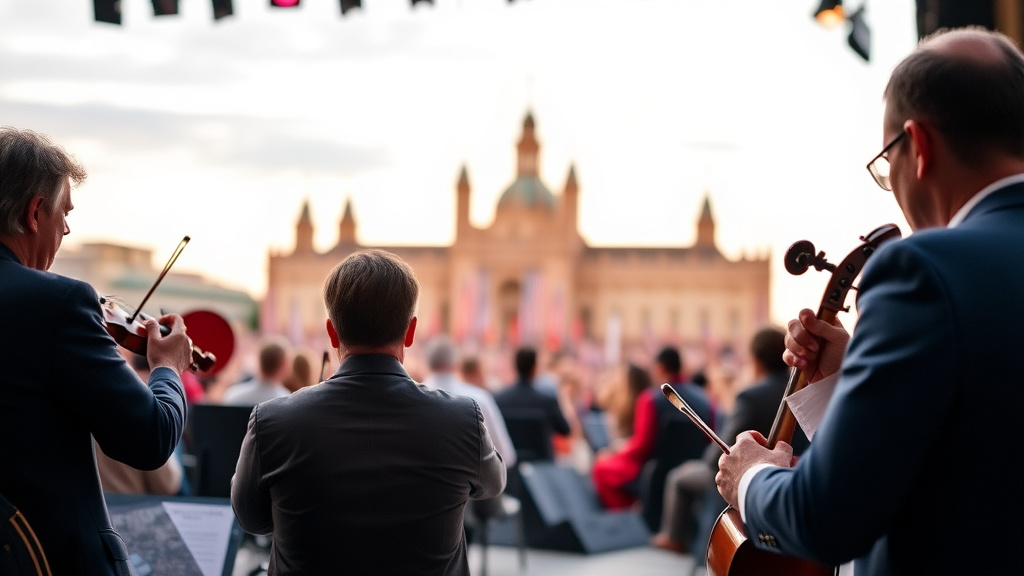
In cities around the world, a cultural resurgence is emerging as traditional music festivals energize urban neighborhoods. These lively events are more than nostalgic gatherings—they’re powerful catalysts for social cohesion, bridging generational divides and building stronger relationships in increasingly disconnected urban centers. From outdoor shows to planned celebrations, traditional music is converting urban spaces into welcoming environments where residents rediscover shared heritage and forge meaningful relationships, proving that authentic cultural expression remains crucial to flourishing cities.
The Cultural Revival in Today’s Cities
Urban centers around the globe are witnessing a profound cultural renaissance as heritage music celebrations restore their role in the fabric of communities. These gatherings go beyond mere entertainment, acting as crucial bridges for intergenerational dialogue and collective bonds. In areas where anonymity typically dominates, folk music generates collective moments that reconnect residents of their shared heritage. The festivals convert public spaces into vibrant cultural hubs, where varied communities meet around genuine musical heritage. This revival shows that amidst rapid urbanization, communities hunger for genuine cultural ties that connect them to their roots and to one another.
The influence of these musical gatherings extends far beyond nostalgic appreciation. Traditional music festivals help rejuvenate neighborhoods by bringing people in, supporting local artists, and fostering pride among residents. They create platforms for younger generations to participate in cultural heritage while giving older community members opportunities to share their experience and skills. These events drive business growth through higher visitor numbers and business patronage while also reinforcing the social fabric. By celebrating authentic musical traditions in urban settings, communities take back gathering areas and create meeting places that counteract the isolation characteristic of today’s cities, proving cultural expression remains essential for urban vitality.
Strengthening Stronger Community Relationships
Traditional music festivals build meaningful spaces for city dwellers to engage with their heritage while developing strong connections across age and social lines. These events reshape community areas into lively gathering places where neighbors become partners, attendees, and spectators together. By honoring common musical legacy, communities strengthen their social fabric and establish structures of shared assistance that extend far beyond the gathering, nurturing a revitalized sense of community in ever-changing diverse city settings.
Economic and Social Impact
The economic benefits of classic music events reach across surrounding districts, creating income for independent retailers, street vendors, and regional performers. These events attract visitors who allocate spending on meals, goods, and amenities, creating employment opportunities for neighborhood people. Apart from straightforward income, festivals encourage community renewal by bringing focus to underused public venues and prompting neighborhood spending in cultural infrastructure and community development initiatives.
Socially, these festivals promote cross-cultural exchange and mutual respect among different groups sharing urban spaces. They create opportunities for excluded populations to express their heritage and communicate their experiences with broader audiences. Through collaborative performances and hands-on involvement, traditional music festivals dismantle community divisions, diminish bias, and build welcoming communities where all residents sense appreciation and voice.
- Create local business revenue through higher customer visits and purchasing
- Create job prospects for musicians, vendors, and event staff
- Foster cross-generational connections and heritage sharing
- Minimize loneliness and promote mental health among attendees
- Enhance neighborhood pride and collective identity among community members
International Case Studies and Success Stories
Cities across the world demonstrate the powerful impact of traditional music festivals. In New Orleans, the French Quarter Festival celebrates Creole and jazz heritage, attracting thousands who reconnect with cultural roots and promote local musicians. Similarly, Barcelona’s Sónar Festival blends electronic and experimental sounds with traditional Catalan influences, creating intergenerational dialogue. These events illustrate that when communities participate in cultural programming, neighborhoods see more visitors, economic growth, and revitalized public spaces that benefit residents and local businesses alike.
The Notting Hill Carnival in London showcases how traditional Caribbean musical celebrations create togetherness across diverse populations. With more than one million participants per year, this celebration strengthens community identity while producing considerable financial benefits. In Mumbai, the Horniman Festival showcases traditional Indian music, bringing artists and attendees who maintain vulnerable cultural traditions. These accomplished cases reveal a recurring theme: classic music celebrations create safe gathering venues, highlight overlooked perspectives, and remind urban dwellers of the cultural heritage, consequently fostering more cohesive and resilient local areas.
